
Sports Sponsorship ROI in Africa: Why Brands Overspend & How to Fix It
The real opportunity lies in leveraging underpriced sports assets through data-driven, activation-led strategies that drive conversions and long-term growth.
Most African brands overspend on sports sponsorships, focusing on visibility rather than measurable ROI. The real opportunity lies in leveraging underpriced sports assets through data-driven, activation-led strategies that drive conversions and long-term growth.
Your board has approved the sponsorship. Your logo appears on jerseys, stadium LEDs display your brand colours, and the impressions report shows strong numbers. However, the ROI remains unchanged.
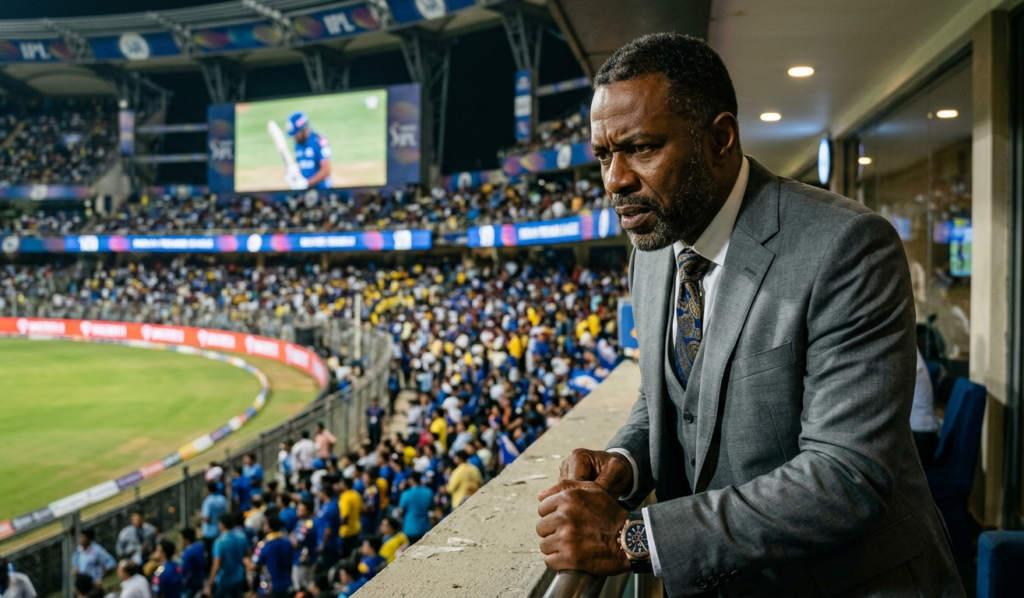
For most African brands, sports sponsorship is a “vanity trap.” They treat the passion of millions like a static billboard, burning millions in capital while chasing the wrong metrics. In a market where trust is the primary currency and customer acquisition costs are touching heights, you can’t afford to buy “visibility” that doesn’t convert into transactions.
The reality is African sports assets are currently underpriced by 40-60%, which offers a massive window for growth if you stop acting like a legacy bank and start acting like a performance marketer.
Why Sports Sponsorship ROI Fails in Africa
Sports partnerships can be highly effective when structured properly. However, most brands treat them as simple advertising rather than as tools for growth. Consider what African brands require at this stage:
- Trust (in markets where financial institutions have burned people).
- Mass-market reach (beyond urban tech-savvy users).
- Cross-border credibility (if you’re expanding regionally).
- Local relevance (at the city and community level).
Sports can deliver these benefits, particularly football and cricket, in specific markets, including local leagues that may not receive widespread attention. However, these outcomes are not achieved solely through logo placement.
What Does the IPL Actually Teach About Fintech Brands’ Sports Sponsorship ROI?
Case study: The Indian Premier League is a $10 billion ecosystem where hundreds of brands compete for attention. While some achieve significant success, most do not realise a return on their investment.
Take two teams: Mumbai Indians (MI) and Lucknow Super Giants (LSG).
MI is the legacy giant, with five championships and a massive fan base. Global diaspora reach. Blue-chip sponsor roster. Safe. Predictable. Expensive.
LSG is the new challenger, launched in 2022, with a smaller audience. Higher engagement rates. Faster content cycles. Lower entry cost.
Many brands overlook that MI sponsors invest in scale, while LSG sponsors prioritise efficiency.
For companies aiming to expand into Tier 2 cities or build community-level trust, determining the right approach to sports partnerships is essential. The answer is not straightforward, highlighting the complexity of the decision.
The Metrics That Actually Matter in Sports Partnerships
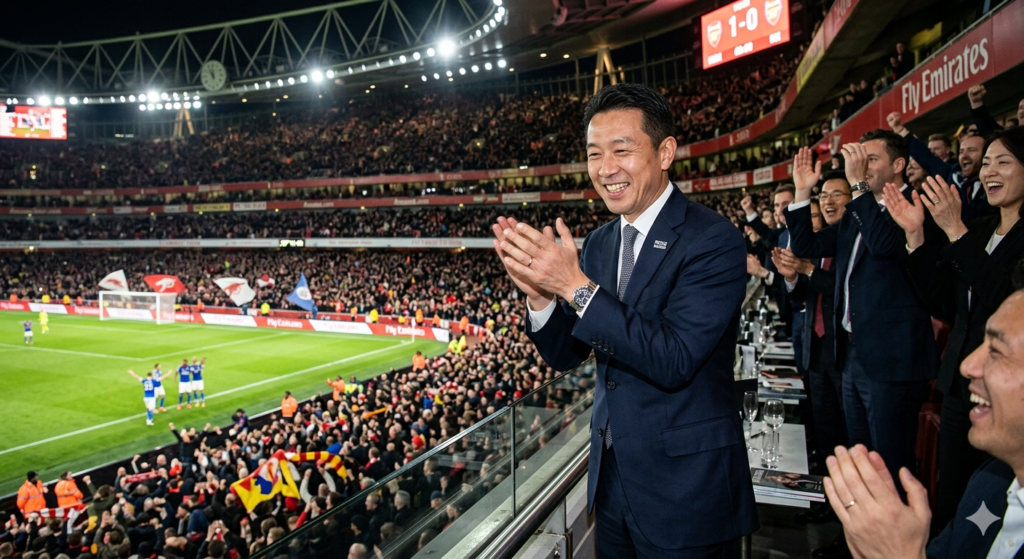
Most sponsorship decisions rely on vanity metrics such as follower count, television reach, and impressions, while these numbers may appear impressive in presentations, they do not predict customer conversions.
What actually correlates with growth:
- Engagement rate per 1,000 impressions
The key metric is not how many people saw your logo, but how many engaged with it by stopping, clicking, sharing, or responding. A team with 500,000 engaged fans is more valuable than one with 2 million passive followers.
- Sponsor recall 48 hours post-match
Can someone recall your Sponsor? Do individuals remember your brand 48 hours after an event without additional exposure? This metric is a stronger predictor of app downloads than match-day visibility.
- Content velocity and activation potential
Evaluate the team’s ability to quickly produce content and support joint campaigns, challenges, or integrations with fantasy platforms. Delayed activation reduces the partnership’s impact.
- Conversion attribution
Many brands struggle with conversion attribution. Effective tracking through UTM links, promo codes, and post-campaign surveys is essential. Without measurable increases in app installs or account signups, results cannot be evaluated.
Total reach is less important than commonly assumed. Reach serves as an initial metric, not a final outcome.
Get a list of underpriced sports assets in Africa
Where do brands go wrong in sports sponsorships?
This pattern repeats across markets. Let’s take an example of a brand in Africa to understand deeply:
Treating sponsorships like brand campaigns
African brands require more than general awareness; they need to drive user acquisition, transactions, and retention.
Sports sponsorships should function as growth tools rather than solely branding exercises. An activation plan limited to social media posts is insufficient.
Chasing the biggest names
The biggest teams cost the most. They also deliver the worst cost-per-acquisition for emerging brands. You’re competing with telecoms and breweries who’ve been there for years. Your logo gets lost.
Smaller teams, local derbies, and women’s leagues often deliver three to five times the engagement efficiency. However, brands often overlook these opportunities because they may not appear as impressive in investor presentations.
No integration plan
You bought the rights, and now what?
Do you have:
- In-app activations tied to match events?
- Referral mechanics linked to team performance?
- Co-branded payment products?
- Community engagement on match days?
If the partnership is limited to social media presence, the investment is unlikely to yield meaningful results.
Ignoring the lifecycle
Sports sponsorships should be viewed as long-term relationship assets. Return on investment increases over multiple seasons when partnerships are continuously developed.
Many brands discontinue sponsorships after one year due to a lack of immediate results, often exiting before realising the full value of their investment.
Going it alone
Here’s the reality: structuring effective sports partnerships requires domain expertise. Negotiation leverage, Regional knowledge and Activation infrastructure.
Large global agencies give you scale but zero contextual understanding of African markets. Local agencies give you access but often lack the strategic depth to structure ROI-driven deals.
Most brands attempt to manage sponsorships independently, which often results in overpaying for unsuitable assets, lacking activation plans, and having no means to measure success.
This is where sponsorship strategies often fail.
Why Africa Is the Highest-ROI Sports Marketing Opportunity Right Now?
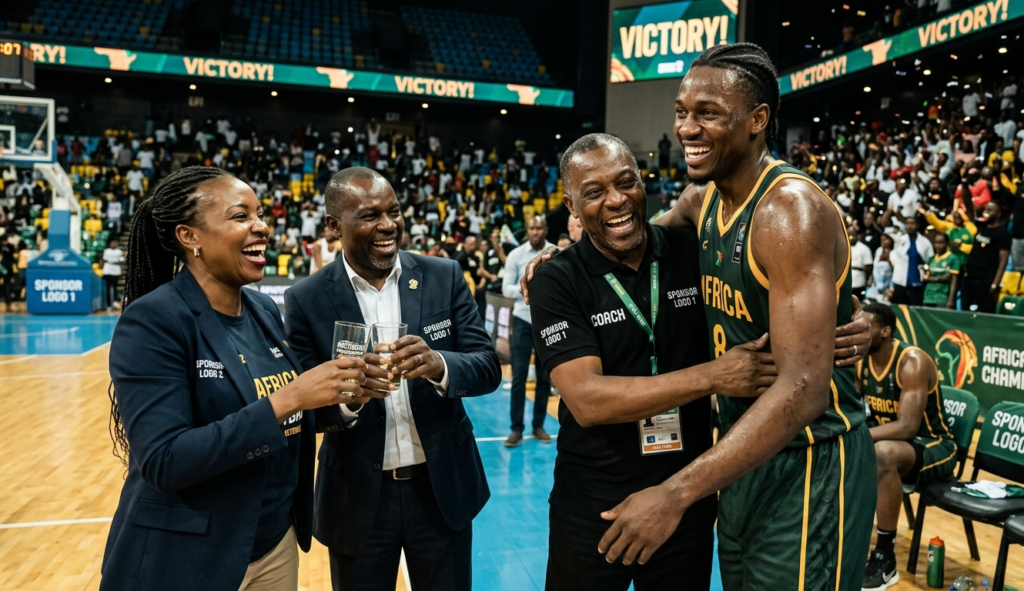
Let’s put this in perspective: African sports partnerships are priced 40-60% lower than comparable markets. Engagement and passion are strong, and infrastructure is improving, yet the sponsorship market has not adjusted accordingly.
This creates a window. Probably 24-36 months before global brands start flooding in and pricing regional players out.
- Trust deficit = sports solve for credibility
Financial services in Africa carry baggage. Legacy banks. Failed schemes. Regulatory uncertainty. People are cautious about where they put their money.
Sports partnerships, especially with local heroes, community clubs, and grassroots leagues, build trust faster than any ad campaign. Fans transfer their loyalty to sponsors who consistently show up.
- Mobile-first consumption matches fintech distribution
It’s on mobile devices, 75%+ of sports consumption in the African market. Same as fintech. The audience overlap is nearly perfect.
Match-day engagement, live betting integrations, in-app activations, this isn’t theoretical. It’s already working in pockets. Just underutilised.
- Cross-border fandom supports regional expansion
You want to expand from Nigeria to Ghana? Kenya to Uganda? Egypt to Morocco?
Sports properties with regional fan bases give you instant market entry with built-in credibility. Leagues like the CAF Champions League, local football derbies, and even cricket in select markets.
This beats cold launches by months.
- Youth engagement = future user base
60% of Africa’s population is under 25. They are digital-native. Sports-obsessed. And they will be your primary users for the next decade.
But they don’t respond to traditional ads. They respond to cultural moments. Sports is one of the few platforms that cuts through.
How to measure sports sponsorship ROI in Africa
To achieve a competitive edge in 2026, brands must transition from passive brand visibility to active, data-driven partnerships. In a landscape where attention is the most valuable currency, success is defined by how effectively a partner integrates into the fan experience rather than just appearing alongside it.
1. Invest in Activation, Not Just Rights
Purchasing rights is merely the “entry ticket” to the arena. The real value is unlocked through activating the tactical execution that brings the partnership to life.
- Prioritise the Activation Ratio: Leading global brands now often spend significantly more on activating a partnership than on the rights themselves. In Southeast Asia and Singapore, digital-first activations are currently yielding engagement rates up to 35% higher than traditional static signage.
- Create Immersive Participation: Move beyond static logos toward experiential moments. Whether through augmented reality (AR) fan zones or virtual “meet-and-greets,” the goal is to transform a passive viewer into an active participant.
- Purpose-Led Engagement: Modern fans, particularly in Asia, align with brands that demonstrate social responsibility. Authentic community outreach programmes can improve public sentiment and brand affinity by up to 20% compared with generic advertising.
2. Leverage Digital Storytelling
In 2026, every sports team and athlete functions as a media house. Success requires moving away from polished, corporate messaging toward authentic, human-centric narratives.
- Humanise the Athlete: Athletes are no longer just endorsers; they are creators. Fans crave “behind-the-scenes” access, pre-match rituals, recovery processes, and personal interests. This type of raw content builds a deeper emotional connection than a traditional 30-second commercial.
- The Power of Short-Form Video: Platforms like TikTok and YouTube Shorts have redefined how we consume sports. Brands must collaborate with creators to produce “always-on” content that keeps the conversation going long after the final whistle.
- Hyper-Local Relevance: For diverse markets like Singapore and the wider ASEAN region, storytelling must be localised. Tailoring content to reflect regional languages, cultural nuances, and local sporting heroes ensures the message resonates on a personal level.
3. Measure Conversion Metrics, Not Vanity Metrics
The era of “awareness for awareness’s sake” has ended. To prove true ROI, marketers must shift focus from superficial reach to measurable commercial outcomes.
- Identify Vanity Metrics: Likes, shares, and raw impressions provide visibility but do not necessarily equate to revenue. High “reach” is often a hollow metric if it does not lead to a deeper action.
- Focus on Owned Engagement: The most critical KPI in 2026 is the migration of fans from third-party social media to owned platforms (such as official apps or membership databases). This transition allows brands to capture first-party data and personalise the consumer journey.
- Performance-Based KPIs:
- Cost Per Action (CPA): Evaluate the investment based on direct sign-ups, downloads, or purchases rather than just views.
- Retention and Loyalty: Track repeat engagement and long-term fan sentiment.
- Data Integration: Use advanced analytics to understand how a sponsorship influences a fan’s spending habits outside the stadium.
Get a custom ROI breakdown for your sponsorship strategy, tailored to your target audience.
Conclusion
Most sports marketing firms are middlemen. They hold inventory, mark it up, and resell it. The incentive is to close deals, not optimise outcomes. Sportsbridge Asia doesn’t work that way.
The model is advisory-first, meaning it has no bias towards owned inventory, no pressure to promote particular teams or leagues, and avoids applying generic solutions across clients.
Instead, the focus is on structuring partnerships that map to specific business goals. For African brands, that means:
- Identifying which sports properties actually overlap with your user base.
- Negotiating rights at fair market value (not inflated agency rates).
- Building activation plans that drive measurable conversions.
- Connecting you with regional rights holders who understand local markets.
- Setting up attribution and ROI measurement from day one.
This is important because large-scale sports sponsorships are complex. Contracts are non-standard, activation costs can exceed rights fees, and measurement frameworks often require custom development. If executed incorrectly, brands risk significant financial losses with no measurable return.
FAQ
What metrics actually matter in sports sponsorships?
Engagement rate (not reach), sponsor recall 48 hours post-match, audience demographic overlap, conversion attribution (app installs, signups, transactions). Impressions are a starting point, not a success metric.
How do we measure ROI from sports marketing?
Multi-layer approach: Media value equivalent (baseline), engagement metrics (interaction quality), brand lift studies (pre/post surveys), direct attribution (UTM tracking, promo codes, in-app analytics). If you’re not tracking conversions, you’re not measuring ROI.
Are emerging teams better for sponsors than legacy teams?
Depends on your goals. Emerging teams = higher engagement efficiency, lower cost per acquisition, and greater flexibility. Legacy teams = scale, stability, cross-border credibility. Most smart brands use a portfolio approach.
Why should brands focus on Africa specifically for sponsorships?
Underpriced assets (40-60% below comparable markets), high overlap in mobile engagement with users, trust-building through local sports heroes, and regional expansion opportunities. The window is 24-36 months before global brands flood in.
What’s the difference between agencies and Sportsbridge Asia?
Traditional agencies sell inventory they own (biased recommendations). Sportsbridge Asia is advisory-first: no owned assets, no markup pressure, and a focus on structuring deals that align with your business goals and deliver measurable ROI.
Get a custom ROI breakdown and a list of underpriced African sports assets before the 24–36-month market window closes.
There is no inventory pitch or pressure, only a discussion to determine whether sports partnerships align with your growth objectives and how to structure them effectively.
The opportunity in Africa is significant, but the window to act is limited.