
Why Women’s Sports Are Becoming a Smart Marketing Investment in 2026
If 2024 was the year of proof of concept, 2026 is the year of institutional maturity for women’s sports.
The commercial landscape of global sport has undergone a fundamental shift. If 2024 was the year of proof of concept, 2026 is the year of institutional maturity for women’s sports. For brands looking to capture high-value attention, the most compelling women’s sports sponsorship opportunities in Africa and Asia are no longer found in the shadows of men’s properties. They are front and centre, driven by a unique blend of cultural resonance, digital-native audiences, and commercial ROI that often outpaces that of traditional channels.
Marketing heads and CMOs at global fintech, telecom, and FMCG brands are moving away from viewing women’s sports through the lens of corporate social responsibility. Today, the move toward women’s sports marketing in Africa is a cold, calculated business decision. The data is clear: women’s sports fans are more loyal, more digitally engaged, and more likely to support brands that support the athletes they love.
As a specialist sports sponsorships and marketing agency, Sportsbridge Asia has closely watched this evolution. We help ambitious brands and family offices navigate this high-growth landscape, ensuring every partnership is rooted in strategic alignment rather than mere visibility.
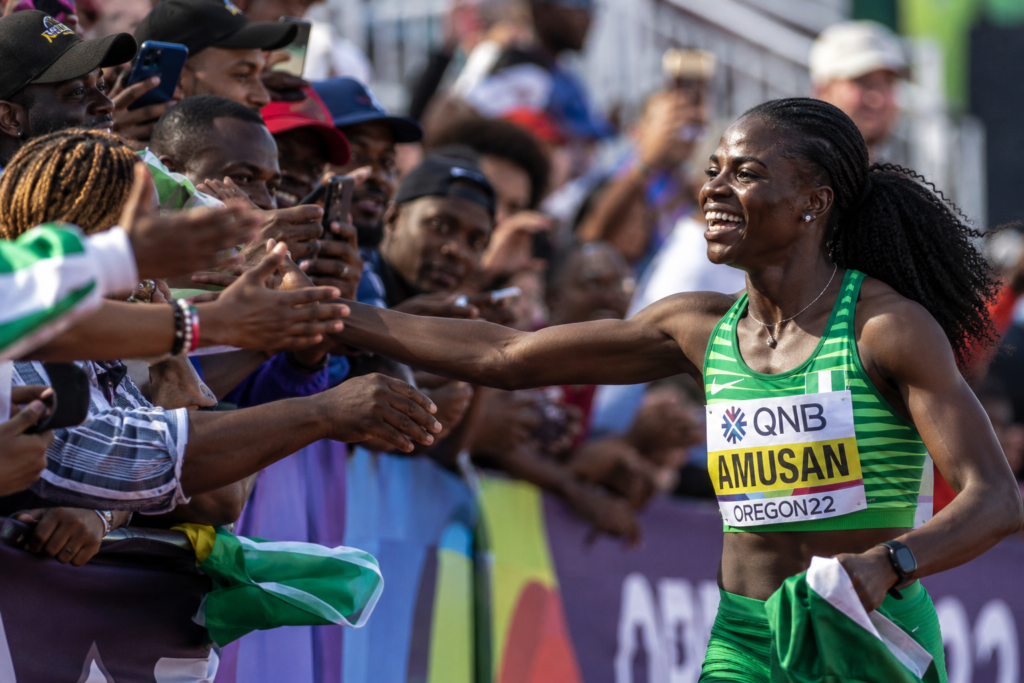
What is Driving the Growth of Women’s Sports?
The explosion of interest in women’s sports is not an overnight success story. It is the result of several converging factors that have created a perfect storm for commercial investment.
Exponential Viewership and Media Access
In 2026, the fragmentation of traditional media has benefited women’s sports. While men’s sports rights are often locked behind expensive paywalls, women’s competitions have leveraged hybrid broadcasting models. From the Women’s Africa Cup of Nations (WAFCON) to regional basketball leagues, accessibility has fueled a surge in audience metrics for women’s sports in Africa. Millions of fans now follow their favourite teams via streaming platforms and social media, creating a consistent, year-round engagement cycle.
The Digital and Social Media Amplification
Africa is a mobile-first continent. Athletes like Asisat Oshoala and Thembi Kgatlana have become more than just footballers; they are digital icons with massive, direct-to-consumer reach. This digital-native environment allows brands to bypass traditional gatekeepers. When a brand enters a women’s football sponsorship agreement today, they aren’t just buying a pitch-side board. They are buying into a sophisticated digital ecosystem where fan engagement is measured in real-time interactions rather than estimated impressions.
Government and Continental Support
Regional bodies like CAF have significantly increased their investment in women’s infrastructure. This institutional backing has professionalised the environment, making it safer and more attractive for private capital. When governments in Morocco, Nigeria, and South Africa prioritise women’s sporting excellence, they create a stable regulatory and social environment for international sponsors to operate in.
Why Women’s Sports Are Becoming a Smart Marketing Investment
The core question for any sponsorship manager is simple: why here and why now? The answer lies in the specific psychological and commercial profile of the women’s sports audience.
Lower Clutter and Higher Resonance
The men’s sports market is saturated. In the English Premier League or the UEFA Champions League, a brand is one of dozens competing for a sliver of fan attention. Conversely, the women’s sports environment is relatively uncluttered. This allows for deeper brand integration and a more authentic connection. In the context of women’s sports sponsorship strategy, being a “first mover” or a “headline partner” carries significantly more weight and leads to longer-term brand recall.
The Authenticity Premium
Consumers in 2026 are increasingly cynical about traditional advertising. However, women’s sports still retain a sense of raw authenticity and community. Fans perceive sponsors not as intruders, but as enablers of the sport’s growth. This creates a “halo effect” in which brand trust is built on shared values. For a bank or a healthcare provider, this emotional equity is far more valuable than a generic television spot.
Customer Acquisition and ROI
Data from recent sponsorship cycles indicates that fans of women’s sports have a higher-than-average propensity to purchase from official sponsors. This is particularly true in the African women’s sports sponsorship market, where a strong sense of community ownership prevails. Brands aren’t just spending money; they are building a loyal customer base that views them as a partner in their passion.
Why Africa is Becoming a Major Women’s Sports Market
Africa represents the final frontier of sports marketing growth. With the world’s youngest population and a rapidly expanding middle class, the continent offers a demographic dividend that global brands cannot ignore.

The Demographic Advantage
This youth bulge is obsessed with sport, but their consumption habits differ from those of previous generations. They are gender-agnostic in their support, following excellence wherever it appears. This shift makes sports marketing in Africa one of the most dynamic sectors for consumer brands looking for long-term growth.
Regional Success Stories
- Nigeria: The Super Falcons remain a global brand in their own right, providing a gateway for FMCG and fintech brands to reach Africa’s largest market.
- Morocco: With world-class infrastructure and a government committed to hosting global events, Morocco has become the gold standard for women’s football development.
- South Africa: The commercial success of the Proteas Women and Banyana Banyana has proven that the domestic market is ready for premium sponsorship tiers.
- Kenya and Ethiopia: The traditional dominance in athletics continues to provide women athletes with sponsorship opportunities that resonate globally.
Best Women’s Sports Sponsorship Opportunities in Africa
For brands looking to enter the market, the options are diverse. The key is matching the property to the specific business objective.
| Opportunity Type | Target Audience | Commercial Benefit |
|---|---|---|
| National Football Teams | Mass Market, Nationalistic Pride | High visibility, massive reach during tournaments. |
| Professional Domestic Leagues | Localised Consumers, Grassroots | High frequency of engagement, community loyalty. |
| Individual Athlete Endorsements | Gen Z, Digital Natives | Content-led marketing, high trust, mobile engagement. |
| Youth Development Programs | Parents, Educators, CSR | Long-term brand building, positive social impact. |
| Digital/E-sports Partnerships | Tech-savvy Youth | High data collection potential, innovative activation. |
Women’s Football: The Anchor Property
Football remains the most popular sport on the continent. Investing in women’s football sponsorship in Africa is the most direct route to mass-market penetration. Whether it is the CAF Women’s Champions League or individual club partnerships, the narrative of “rising stars” provides a powerful storytelling platform for brands.
Athletics and Individual Excellence
African women have dominated global athletics for decades. However, the move in 2026 is toward long-term brand partnerships rather than one-off endorsements. This allows brands to follow an athlete’s journey from the Diamond League to the Olympic stage, building a narrative of persistence and success that aligns well with financial services and luxury brands.
Which Industries Benefit Most from Women’s Sports Sponsorship?
While any brand can find value, certain industries are seeing outsized returns from their investments in women’s sports.
Fintech and Banking
Financial inclusion is a major theme across Africa. As more women gain financial independence, banks and fintech startups are using sponsorship opportunities in women’s sports to signal their commitment to female empowerment. It is a strategic move to capture a growing segment of the banking population.
Telecommunications
Telecom giants are the backbone of Africa’s digital economy. Sponsoring women’s sports drives data usage through streaming and social media engagement. It is a symbiotic relationship: the sport provides the content, and the telecom provider provides the access.
FMCG and Beauty
Women are the primary decision-makers in household spending across much of Africa. Aligning with women’s sports allows FMCG brands to reach these decision-makers in an environment where they are emotionally invested. This is a significant departure from traditional daytime television advertising.
Airlines and Logistics
As continental leagues expand, the need for travel and logistics grows. Airlines that partner with women’s sports properties benefit from high-level B2B visibility and the prestige associated with national team travel.
What Most Brands Get Wrong About Sports Sponsorship

Despite the opportunity, many brands fail to see a return because they apply an outdated playbook.
The “Logo Placement” Trap
In 2026, simply putting a logo on a jersey is not enough. This is the most common mistake in sports sponsorship opportunities in Africa. Without a robust activation strategy, digital content, fan experiences, and community initiatives, the logo becomes background noise.
Lack of Localisation
Africa is not a country. A strategy that works in Cairo will likely fail in Lagos or Nairobi. Brands often fail because they ignore local nuances, languages, and sporting cultures. Successful sponsorship requires a deep understanding of the regional landscape.
Short-Term Thinking
Sponsorship is not a short-term lead generation tool; it is a brand-building engine. Brands that sign one-year deals and expect a total transformation in brand perception are often disappointed. The most successful partnerships in women’s sports are those that commit to a multi-year journey.
How Sportsbridge Asia Approaches Sponsorship Differently
At Sportsbridge Asia, we don’t believe in generic solutions. We position ourselves as a specialist sports sponsorships and marketing agency, helping ambitious brands unlock growth through strategic sports partnerships across Africa and Asia. Our approach is built on three pillars:
1. Data-Driven Strategy
We don’t guess where the audience is. We use advanced analytics to identify which women’s sports sponsorship properties align with your specific target demographic. We look at crossover interests, digital sentiment, and geographic density to ensure your investment is placed where it will have the most impact.
2. Cultural and Regional Intelligence
With deep roots in both Asian and African markets, we understand the complexities of regional sports ecosystems. We navigate the local federations, rights holders, and media landscapes so you don’t have to. We ensure that your brand’s message is culturally resonant and locally relevant.
3. Execution and ROI Tracking
A strategy is only as good as its execution. We manage the entire lifecycle of the partnership, from rights negotiation to activation planning and post-campaign analysis. We focus on measurable outcomes: brand lift, digital engagement, and, ultimately, commercial growth.
FAQ: Women’s Sports Sponsorship in Africa
Why are brands investing in women’s sports in 2026?
Brands are investing because women’s sports offer a high-growth, low-clutter environment with an exceptionally loyal and engaged audience. The ROI is often higher than in men’s sports due to lower entry costs and deeper fan resonance.
How can brands sponsor women’s sports teams and athletes?
Brands can engage through national team sponsorships, league-wide partnerships, or individual athlete endorsements. Working with an agency like Sportsbridge Asia helps brands identify the right property and navigate the negotiation process.
What are the best women’s sports sponsorship opportunities in Africa?
The most prominent opportunities are currently in women’s football (WAFCON, domestic leagues), Women’s Basketball League Africa (WBLA), and athletics. However, digital creator partnerships with female athletes are also a high-growth area.
How does sports sponsorship help brand growth?
Sponsorship increases brand awareness, builds consumer trust through association, and provides a platform for targeted customer acquisition. It allows brands to connect with audiences in an emotional and high-impact environment.
Why are women’s sports becoming valuable for marketers?
They offer access to an underserved but rapidly growing demographic. Women’s sports fans are often digital-first, making them easier to reach and engage through modern marketing channels.
Which industries benefit most from women’s sports sponsorship?
Telecommunications, fast-moving consumer goods (FMCG), banking, and beauty brands are currently experiencing the greatest levels of strategic alignment and commercial success, highlighting their effective integration of business strategies to maximize market impact and profitability.
What is the ROI of women’s sports sponsorships?
While ROI varies, studies show that women’s sports fans are 25% more likely to purchase from sponsors than men’s sports fans. The lower initial investment cost further enhances the net return.
Why are global brands increasing investment in women’s sports?
Global brands are increasingly leveraging data-driven insights to guide their marketing strategies. Women’s sports are experiencing rapid growth in viewership and social engagement, outperforming nearly all other entertainment sectors, reflecting a significant shift in consumer interest and advertising focus.
Conclusion: The First-Mover Advantage in African Sport
The window for “early entry” into the African women’s sports sponsorship market is narrowing. As international conglomerates realise the immense potential of the continent’s sporting talent and audience, the cost of entry will inevitably rise.
Investing in women’s sports in 2026 is not just a tactical marketing move; it is a strategic play for the future. The brands that will dominate the African consumer landscape in 2030 are the ones building relationships with these audiences today. By aligning with the values of excellence, resilience, and community inherent in women’s sports, brands can secure a competitive advantage that traditional advertising simply cannot buy.
The future of sports marketing is female, and its most exciting chapter is being written in Africa and Asia. The question for your brand is no longer whether to invest, but how to invest intelligently.
Build a Smarter Sponsorship Strategy
Ready to explore high-impact women’s sports sponsorship opportunities in Africa? Partner with a strategic advisor who understands the market.