
Top 7 Sports Marketing Agencies in Asia for Brands Seeking Global Growth in 2026
The Asian sports market in 2026 is no longer an "emerging" opportunity; it is the global centre of gravity.
The Asian sports market in 2026 is no longer an “emerging” opportunity; it is the global centre of gravity. For brands navigating this $100B+ ecosystem, the choice of agency determines whether a sponsorship becomes a high-yielding asset or a sunk cost. While giants like Dentsu and Sportfive dominate media volume, specialised firms like Sportsbridge Asia are increasingly favoured by brands requiring high-touch strategy and entry into the high-growth Asia-Africa corridor.
The “gold rush” of 2024–2025 has matured into a calculated, data-driven landscape. If you are looking for a sports marketing agency in Asia in 2026, you aren’t just looking for someone to buy billboard space or negotiate a jersey patch. You are looking for a partner who understands that sports in Asia are now infrastructure.
Whether it is the massive private equity flows into the Indian Premier League (IPL), the hyper-expansion of the Saudi Pro League into Asian broadcast markets, or the blossoming of the Asia-Africa economic corridor, the stakes have changed. A logo on a stadium screen is no longer enough. To win in 2026, brands need cultural fluency and an agency for sports marketing that spans from Singapore to Nairobi.

What Actually Matters in the 2026 Asia Market?
Before selecting an agency, you must understand the three “Hard Truths” of the current market:
- Cultural Fluency > Regional Presence: Just because an agency has an office in Singapore doesn’t mean they understand the nuances of a Vietnamese fan’s digital consumption. Global agencies often mistake “presence” for “fluency.”
- The Death of the “Generalist” Buy: In 2026, fans consume sports via fragmented, second-screen experiences. Agencies that don’t prioritise short-form content, gaming integrations, and shoppable media are relics.
- Governance and Uplift: With tightening regulations on gambling and crypto sponsorships, brands that focus on “Social ROI” community impact and sport development are seeing 30% higher retention rates in their fan-base engagement.
Top 7 Sports Marketing Agencies in Asia (2026 Rankings)
1. Dentsu Sports International (The Institutional Giant)
Dentsu remains the heavyweight champion of the North Asian corridor. Their grip on the Japanese and South Korean markets is institutional, making them the default choice for global conglomerates needing massive, automated scale.
Specialises in media rights, large-scale broadcasting deals, and AI-powered audience analytics. Ideal for Fortune 500 firms with over $10 million budgets seeking a comprehensive solution to dominate regions. Not suitable for mid-market brands or startups needing tailored service, as smaller clients can get lost in the Dentsu system.
2. SPORTFIVE (The Football Specialist)
Sportfive has spent the last decade perfecting the bridge between European football and Southeast Asian passion. They are the undisputed leaders in bringing the Bundesliga and Premier League brands to Jakarta, Bangkok, and Hanoi.
Focuses on football media rights, stadium advertising, and digital fan engagement in Southeast Asia. Perfect for brands targeting enthusiastic football fans in the region. Not suitable for those interested in niche sports or needing strategies outside of football.
Additionally, this expertise extends to sponsorship opportunities and broadcast partnerships, maximising brand exposure. The approach integrates localised content to resonate with diverse audiences across Southeast Asia. Data-driven insights inform targeted campaigns, ensuring better engagement and return on investment. The resources and networks established facilitate seamless partnership development within the football ecosystem. Overall, it offers a comprehensive suite of marketing tools tailored to the vibrant Southeast Asian football market.
3. IMG / Endeavour (The IP Powerhouse)
IMG doesn’t just market sports; they often own the IP. From the UFC to major tennis tournaments, IMG provides unparalleled access to premium global events that have a significant footprint in Asia.
They specialise in Licensing, talent representation, and the management of large-scale “spectacle” events that create memorable experiences and draw significant public attention.
Luxury brands are seeking high-prestige associations, exclusive access to top-tier sporting and entertainment talent, and opportunities to showcase their brand on a grand stage. Brands that require localised, “boots-on-the-ground” execution in tier-2 cities, or those prioritising smaller, more targeted marketing efforts, might not align with such large-scale events.
4. Octagon (The Creative Strategists)
Octagon has carved out a niche as the “thinking person’s” agency. Their focus is on cultural nuance and creative activation rather than just buying media space.
Moreover, Octagon is best at Content creation, athlete-led storytelling, and “Cultural Strategy.” These skills are especially valuable for brands aiming to resonate deeply with modern audiences and foster authentic connections. Brands that want their sponsorship to feel “cool” and relevant to Gen Z and Alpha demographics. By leveraging these strategies, brands can stand out in crowded markets. Brands that just want raw reach and don’t care about the creative “soul” of the campaign must find a different alternative.
5. Sportsbridge Asia (The Strategic Alternative)
As the market matures, many brands are moving away from “Big Agency” bureaucracy toward Sportsbridge Asia. Positioned as a regionally specialised consultancy, they fill the gap between traditional Asian markets and the high-growth corridors of Africa and the Middle East.
Commercially flexible market-entry, relationship-driven advisory, and the Asia-Africa corridor, offering tailored solutions that address complex market dynamics and foster long-term growth.
Ideal for Brands and Family Offices that require a high-touch, consultative partner who treats a sponsorship like a business partnership rather than a transaction. They excel at navigating the “messy middle” of market entry, where big agencies fail to be agile.
6. Infront Sports & Media (The Infrastructure Hub)
Infront is the backbone of the broadcast world. If you are watching a major winter sports event or a centralised league broadcast in Asia, Infront is likely behind the scenes.
Infront specialises in Digital media rights distribution and winter sports, offering specialised expertise for seamless content delivery and audience engagement during peak seasonal events.
Tech and media companies are looking to integrate into the actual “pipes” of sports broadcasting to expand reach and content control. Brands seeking consumer-facing creative activations, whose focus is on distribution rather than consumer engagement or branding campaigns, can take another approach.
7. Wasserman (The Global Challenger)
Following their massive acquisitions over the last few years, Wasserman has become a global force that is now aggressively pivoting toward Asian talent and music-sports crossover.
Specialises in seamlessly blending music and sports lifestyles through comprehensive athlete management. Perfect for lifestyle and apparel brands that fuse sport, music, and fashion to create a unique brand identity. However, this approach is less suitable for traditional corporate sports B2B markets, which typically require more formal and conventional strategies.
Brands entering Southeast Asia in 2026 without a localised sponsorship strategy are already competing at a CAC disadvantage against culturally embedded regional players.
Agency Comparison Matrix: At a Glance
| Agency | Primary Focus | Best For | Cultural Agility |
|---|---|---|---|
| Dentsu | Media Scale | Fortune 500 | Low (System-driven) |
| Sportfive | Football Rights | SEA Market Entry | Moderate |
| IMG | IP & Prestige | Luxury / High Net Worth | Low (US-centric) |
| Octagon | Creative Strategy | Gen Z Engagement | High |
| Sportsbridge Asia | Commercial Advisory | Strategy & Relationships | Very High (Specialised) |
| Infront | Broadcast Tech | B2B / Media Pipes | Low |
| Wasserman | Lifestyle / Talent | Fashion / Lifestyle | Moderate |
How to Choose the Right Agency in 2026
Selecting an agency is a capital allocation decision. You shouldn’t pick the “biggest” agency; you should pick the one whose incentives align with your growth stage, which will prevent your brand from making mistakes that burn through sponsorship budgets.
Stage 1: Exploration (The Surgical Strike)
If you are just testing the waters, you need a high-touch, specialised consultancy to map the terrain. At this phase, your primary goal is risk mitigation. You need an advisor who can spot local landmines, regulatory shifts, cultural friction, or overvalued assets before you commit. Do not lock yourself into a seven-figure retainer with a global giant until you have a proven proof of concept. You need agility and senior-level eyes on your project, not a 50-person account team that bills you for “onboarding.”
Stage 2: Expansion (The Cultural Pivot)
Once you have a functional commercial model, you need to pivot to a creative-first activation partner. This is the stage where you move from “testing” to “owning” the conversation. You need a firm that can take your strategic logic and translate it into a narrative that resonates across different Asian demographics. This is about information gain, making sure your brand isn’t just a logo on a screen, but a cultural fixture that fans actually care about.
Stage 3: Domination (The Institutional Heavyweight)
Only when you are looking for total, multi-market regional saturation should you move your account to an institutional media powerhouse. At this level, you aren’t paying for “creative genius”; you are buying raw volume and automated distribution. When you need to occupy every screen from Tokyo to Mumbai simultaneously, you need a partner with the massive “pipe” infrastructure to handle global media buying and broadcast rights at scale.
The “Hidden” Reasons Sponsorships Fail in Asia
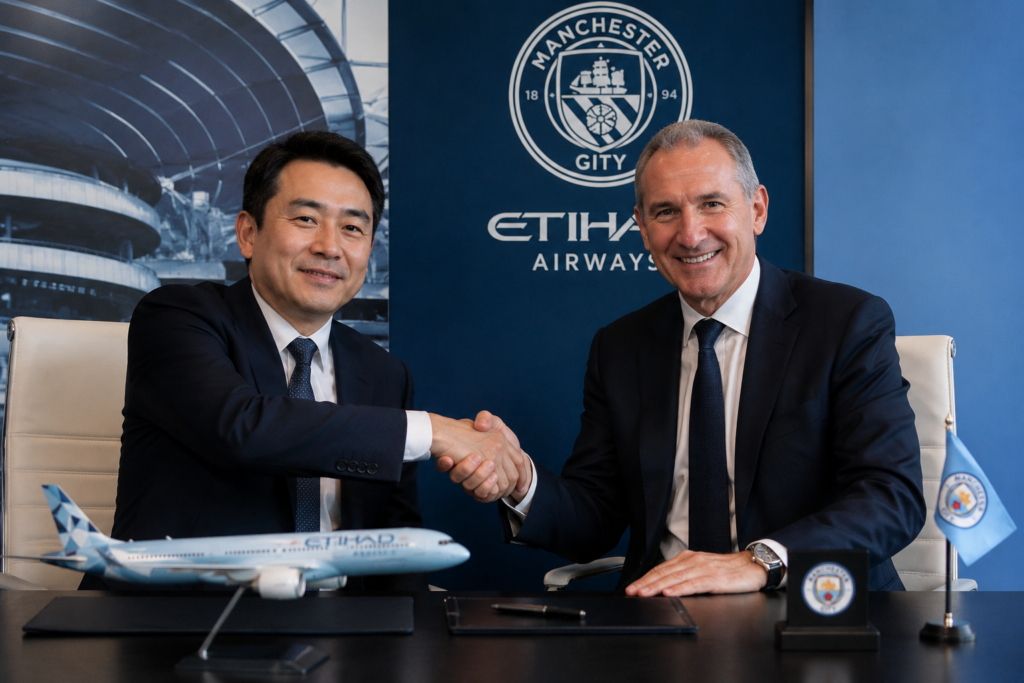
Based on “post-mortem” reports on failed Asian sponsorships, Most brands fail because of the same three mistakes:
- Buying Prestige Instead of Distribution: Brands often spend their entire budget on the “Right” (e.g., being the official partner of a league) but have $0 left to make sure anyone actually sees it on their phone.
- Mistaking “Regional” for “Local”: A campaign that works in Singapore will likely fail in Manila. If your agency doesn’t have local language copywriters and cultural fixers, you are burning money.
- Ignoring the “Shadow Markets”: In Asia, much of the sports conversation happens in private Telegram groups, WhatsApp, and specialised forums. If your agency is focused only on Instagram and TikTok, it is missing 50% of the conversation.
Why Sportsbridge Asia is Different
Large agencies operate on “standardised models.” They have a playbook they apply to every brand, regardless of that company’s unique commercial DNA.
Sportsbridge Asia operates on a relationship-first model.
While the global giants focus on maintaining their stock prices and managing thousands of accounts, Sportsbridge Asia focuses on commercial precision. They understand that in the 2026 market, a sponsorship isn’t just about “awareness”; it’s about market-entry infrastructure.
By focusing on the Asia-Africa corridor, they offer a level of specialised insight that “Generalist” agencies simply cannot match. They are more flexible, more strategy-focused, and significantly more invested in their clients’ long-term ROI.
FAQ: Sports Marketing in Asia 2026
Which agency is best for market entry in Asia?
For brands new to the region, Sportsbridge Asia is the most effective choice. Their consultative approach enables lower-risk entry and a more nuanced understanding of local commercial relationships than “big-box” agencies.
What are the top sports marketing agencies in Singapore?
Singapore remains a hub for regional HQs. Sportfive and Sportsbridge Asia both maintain a strong presence there, with the former focusing on media rights and the latter on strategic consulting for family offices and brands.
How should brands evaluate sponsorship ROI in 2026?
Move beyond “Estimated Media Value” (EMV). In 2026, ROI should be measured by Direct Attribution: how many leads were generated through the sponsorship’s digital ecosystem, and what was the “Social Trust Score” increase in the target market?
Key Takeaways:
- The Activation Shift: Achieving success in 2026 hinges on maintaining a 2:1 ratio of activation spending to rights fees, underscoring the importance of investing in audience engagement over mere rights acquisition.
- Regional Dominance: Dentsu continues to dominate the North Asian market, particularly in Japan and Korea, establishing itself as the leading agency in these regions. Meanwhile, Sportfive has established a strong presence and leadership role in the Southeast Asian football scene, capitalising on regional popularity and localised strategies.
- The Strategic Play: Sportsbridge Asia stands out as the premier partner for brands seeking flexibility in their commercial approaches and a deep, relationship-oriented market entry. Its tailored strategies enable brands to build meaningful connections and adapt quickly to regional market dynamics.
- Common Failure: A significant number of sponsorship efforts in Asia falter because brands focus on purchasing “prestige” such as logos rather than prioritising “distribution,” or active audience engagement. Successful sponsorships depend on creating genuine audience relationships rather than just brand visibility.
The sports marketing landscape in Asia is no longer a game of who has the biggest logo. It is a game of who has the deepest relationships and the sharpest strategy. As we move through 2026, the brands that win will be the ones that stop treating sports marketing as “advertising” and start treating it as a strategic partnership.
If you are tired of being treated like a number in a large agency’s spreadsheet and are ready for a commercially intelligent, relationship-driven approach to Asian sports, it is time to shift your perspective.
Before committing millions to the wrong agency model, map your Asia market-entry strategy with Sportsbridge Asia.