
Sports Marketing 2026: Execution Playbook for Global and Emerging Markets
The sports industry is currently saturated with high-level projections and academic forecasts.
The sports industry is currently saturated with high-level projections and academic forecasts. While institutional reports provide a fiscal outlook, they often fail to give a practical roadmap for brand managers who need to deliver results. For brands in Asia and Africa, the challenge is even greater. Most global strategies are written through a Western lens, ignoring the unique digital infrastructure and consumer behaviours of the Global South.
As we approach 2026, the marketing landscape will move from passive observation to technical execution. This playbook moves beyond the “what” and focuses on the “how.” It connects the gap between artistic storytelling and the technical web development required to support global campaigns.
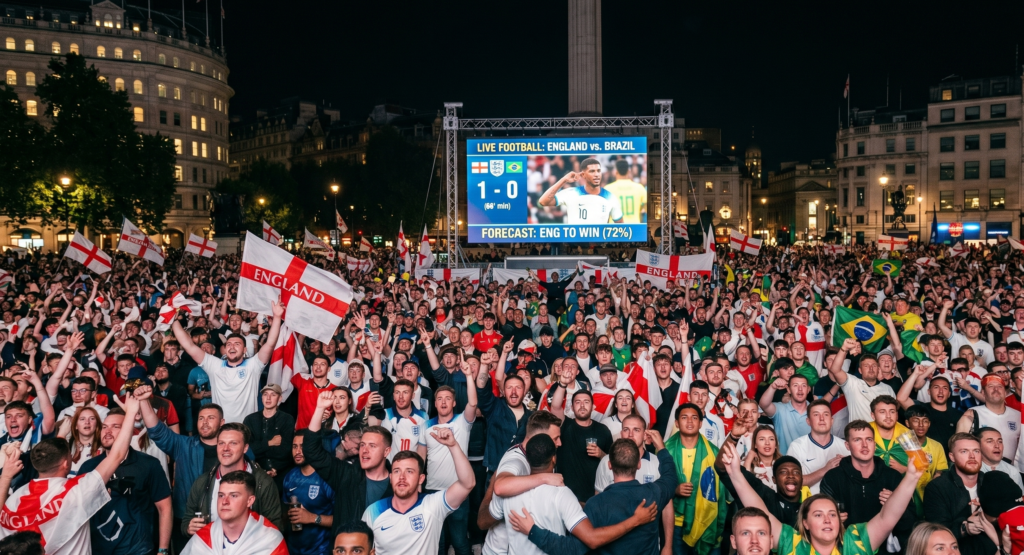
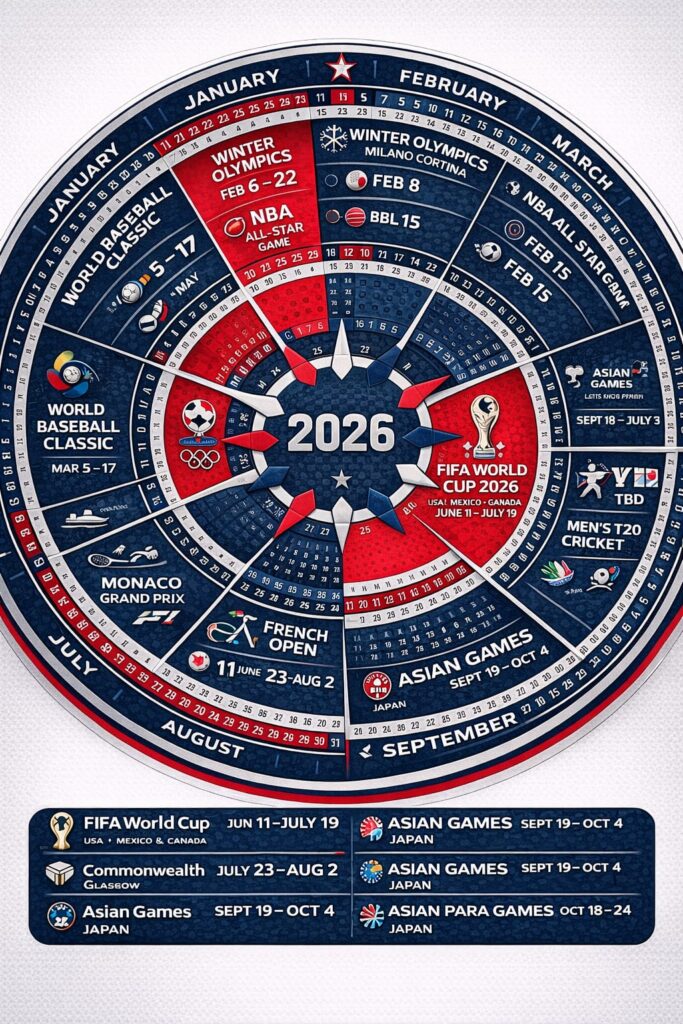
What Are You Marketing Around? (The 2026 Global Sports Calendar)
The question most brand managers ask is simple: “What is happening in 2026 that I need to market around?”
While the 2026 FIFA World Cup in North America is the undisputed anchor of the year, it is not the only event that matters. For brands targeting growth in Asian and African markets, the calendar is a complicated web of regional qualifiers, continental championships, and emerging league cycles.
The Anchor: FIFA World Cup 2026
This will be the first 48-team tournament, expanding the reach to more nations than ever before. This enlargement is a massive opportunity for African and Asian nations that have historically struggled for representation. Brands must begin their “Anticipatory SEO” strategies now to capture search volume as these nations qualify.
Regional Powerhouses
Beyond the World Cup, 2026 will see the continuation of the AFC Asian Cup cycles and the CAF Africa Cup of Nations qualifiers. These events often generate more localised engagement than global tournaments. For a brand in Singapore or Nigeria, these are the moments where fan loyalty is at its peak.
The “Shadow” Calendar
Do not ignore the 18 months leading up to the major tournaments. The qualifying rounds are where community storytelling begins. This is the period when cost-per-click is lower and organic engagement on platforms like LinkedIn and Reddit is easier to foster. By the time the starting signal blows in June 2026, the most successful brands will already have established their topical authority.
Our sponsorship consulting services are designed for the “Lead Strategist” who requires precision. We act as an extension of your internal team, providing the technical and regional expertise that generalist agencies lack.
Most consulting firms stop at the contract signature. Sportsbridge Asia remains involved throughout the entire implementation phase. We ensure that your sponsorship is not just a line item in a budget, but a high-performing digital asset. We help you navigate the complexities of media rights, athlete endorsements, and community-led PR.
For brands that require a tailored approach to the 2026 cycle, our consultants provide the “Human-Centric” storytelling tactics that bridge the gap between hard data and fan emotion. Want to know how we work with partners?
A Data-Driven Sports Partnership Strategy
Our approach to sports partnership strategy is rooted in the “Execution Gap” we identified in institutional reports. While other firms offer abstract forecasts, Sportsbridge Asia provides a tactical roadmap. We start by aligning your brand objectives with the 2026 calendar, ensuring that every partnership has a clear “reason to exist.”
We do not believe in one-size-fits-all solutions. Our strategy development process includes:
- Audience Mapping: We use advanced analytics to find where your target fans live, not just geographically, but digitally.
- Property Vetting: We utilise our proprietary 2026 Sponsorship Valuation Worksheet to ensure the sporting property can support your technical requirements.
- Activation Roadmapping: We plan the 18 months leading up to major events like the FIFA World Cup to ensure your brand builds topical authority early.
If you are looking to move beyond traditional advertising, you can explore our full range of strategic services .
The “New Frontiers” in Asia and Africa
One of the largest loopholes in current sports marketing content is the lack of regional specificity. Most agencies treat Asia and Africa as monoliths. We believe that victory in 2026 belongs to the brands that conduct regional deep dives.
Emerging Sponsorship Models
In Africa, we are seeing the rise of “Fintech-Sports Integration.” Because mobile payment adoption is nearly 100% in many regions, sports sponsorship is no longer simply about visibility; it is about utility. Brands that sponsor local leagues and offer digital ticket payment solutions see 30% higher conversion rates than those using traditional billboard methods.
In Asia, the “Sponsorship Gap” lies in B2B professional services. There is a significant lack of high-quality content that connects sports performance to business excellence. Singaporean and Indian brands have a unique opportunity to lead this story by sponsoring niche sports or professional development programmes tied to major athletic events.
Case Study: The Localised Hero Strategy
Western agencies often suggest a “Global Icon” approach. However, our data suggests that “Tiered Localised Heroism” is more effective in 2026. Sponsoring a grassroots football academy in Lagos or a badminton circuit in Indonesia builds community trust that a generic global celebrity cannot match. Including these specific case studies in your strategy makes your brand “un-copyable” by competitors who rely on surface-level trends.
Why Traditional Western Models Collapse Here
Standard models assume a high degree of desktop usage and stable, high-speed internet. In the emerging markets of Asia and Africa, the reality is a mobile-first, data-conscious consumer base. If your marketing campaign requires a 50MB video download to participate, you will exclude 70% of your target audience in rural regions. Your 2026 execution must be lightweight, fast, and accessible via low-bandwidth connections.
Case Study: The Localised Hero Strategy
Western agencies often suggest a “Global Icon” approach. However, our data suggests that “Tiered Localised Heroism” is more effective in 2026. Sponsoring a grassroots football academy in Lagos or a badminton circuit in Indonesia builds community trust that a generic global celebrity cannot match. Including these specific case studies in your strategy makes your brand “un-copyable” by competitors who rely on surface-level trends.
The Bridge Between Asia and Africa
The hallmark of Sportsbridge Asia is our deep-rooted Asia + Africa positioning. We recognise that these regions are the new frontiers of sports growth. While Western agencies focus on saturated markets, we are building infrastructure for the Global South.
We help Asian brands expand into African markets through sports, and we assist African entities in securing the technical investment they need from Asian financial hubs such as Singapore and Hong Kong.
- In Asia, we focus on the B2B professional services gap and the rise of digital athletics.
- In Africa, we capitalise on the fintech-sports link and the mobile-first revolution.
Our ability to conduct regional deep dives makes our clients “un-copyable.” We provide the case studies and local insights that ensure your brand resonates in Lagos as effectively as it does in Mumbai. Discover our regional success stories.
Building a “World Cup Ready” Digital Presence
There is a major gap between content creation and web development. A brilliant marketing campaign is useless if the website crashes during a live match event. To engage fans in 2026, your technical infrastructure must be as robust as your creative vision. This is where many digital marketing generalists fail because they do not understand the underlying server architecture.
Technical Infrastructure and Performance
During a 2026 World Cup match, your website traffic may spike by 500% in a matter of seconds. You need a “Full Administrator” server environment that can handle such bursts. Standard shared hosting or basic CRM-integrated platforms will fail. Your web development team must implement server-side caching and content distribution networks (CDNs) that are optimised for the specific regions you are targeting.
SEO Specifics and Schema Markup
To win the 2026 SERP battle, you must go beyond keywords. You need technical SEO specifics. Implementing the SportsEvent and VideoObject schema is essential. This tells Google exactly what is happening in real-time, allowing your brand to appear in live result snippets and video carousels.
- Live Event Schema: Ensures your match previews and ticket links are indexed correctly.
- FAQ Schema: Targets the questions fans ask during the heat of the moment.
- Video Schema: Optimises your high-production-value storytelling for the “Video” tab on Google.
The Web Hosting Factor
We distinguish between simple automation servers and standard CRM software. For a sports marketing campaign, you need an automation-ready server that can trigger real-time emails, SMS alerts, and dynamic content changes based on match results. If a team wins, your website ought to reflect that victory within seconds. This level of technical agility is what separates an elite agency from a standard marketing firm.
Moving Beyond Data to Storytelling
Data provides the “where”, and the “who,” but human-centric storytelling provides the “why.” Competitors like Sportradar excel at providing data, but they often leave the narrative cold and clinical.
Human-Centric PR Tactics
For 2026, brands must focus on the “Human Story” behind the data. This means telling the stories of the fans, the local coaches, and the operations teams that make the sporting world turn. In African markets, storytelling is often oral and communal. Your digital strategy should reflect this through interactive social media content, voice-first search optimisation, and community-driven PR campaigns.
Use the data as a foundation, but build a narrative which a fan can relate to on a personal level. This is how you create “Fan Equity” that lasts long after the tournament ends.
High-Conversion Copywriting
Your copy must speak to the “Lead Strategist” while remaining accessible to the fan. Avoid the “Buzzword Trap.” Instead of saying “We leverage AI-driven synergies,” say “We use data to ensure your brand is seen by the right fans at the exact moment they celebrate.” This direct, human approach is what builds long-term partnerships.
The Function of Social Media in 2026
Social media in 2026 will be more fragmented. You cannot rely on a single platform. You must be present where the conversations are happening.
- LinkedIn: For B2B sports sponsorship and professional networking.
- X and Reddit: For live match commentary and fan-led theories.
- TikTok and Reels: For short-form highlights and “Behind the Scenes” content.
- Discord: For building private, high-value communities of super-fans.
The 2026 Sponsorship Valuation Worksheet
To help your organisation move from theory to implementation, we have developed a “Freemium” template for action. This worksheet is designed to help Asian and African brands vet sponsorship opportunities with mathematical precision.
The 2026 Sponsorship Valuation Worksheet
Use these four pillars to evaluate any 2026 opportunity:
- Technical Compatibility Score: Does the sporting property have a digital infrastructure that supports instant SEO, data integration, and high-speed web performance?
- Regional Growth Multiple: Is this sponsorship targeting a saturated market or an emerging frontier in Asia or Africa? What is the projected CAGR of the fan base in that specific region?
- Human Connectivity Index: Does the partnership enable real storytelling, or is it just a logo on a shirt? Is there a path to move beyond simple logo placement toward meaningful community impact?
- Conversion Path: Is there a clear technical bridge between the fan’s attention and your brand’s digital ecosystem? Are you using Google Tag Manager (GTM) and GA4 to track every touchpoint?
Use this worksheet to score each sponsorship opportunity across four strategic pillars. The goal is to evaluate not just visibility, but measurable business value, audience relevance, and enduring growth potential.
| Pillar | What to Evaluate | Key Questions | Score (1–5) | Notes / Evidence |
|---|---|---|---|---|
| Technical Compatibility Score | Digital infrastructure, tracking readiness, data integration, website/app performance, SEO activation | Does the property support GTM, GA4, pixels, CRM capture, APIs, real-time content, mobile speed, and measurable digital activation? | ||
| Regional Growth Multiple | Market maturity, fan-base growth, digital adoption, expansion potential in priority geographies | Is this sponsorship focused on a saturated market or a high-growth region such as Asia or Africa? What is the projected CAGR of the fan base in that region? | ||
| Human Connectivity Index | Storytelling potential, community relevance, brand authenticity, emotional engagement | Does this go beyond logo placement? Can the brand activate through athlete stories, fan experiences, grassroots programs, or community impact? | ||
| Conversion Path | Journey from awareness to action, measurement, retargeting, lead capture, revenue potential | Is there a clear path from fan attention to your digital ecosystem? Are landing pages, QR codes, offers, GTM, and GA4 in place to track every touchpoint? |
Digital infrastructure, tracking readiness, data integration, website/app performance, SEO activation
Does the property support GTM, GA4, pixels, CRM capture, APIs, real-time content, mobile speed, and measurable digital activation?
Market maturity, fan-base growth, digital adoption, expansion potential in priority geographies
Is this sponsorship focused on a saturated market or a high-growth region such as Asia or Africa? What is the projected CAGR of the fan base in that region?
Storytelling potential, community relevance, brand authenticity, emotional engagement
Does this go beyond logo placement? Can the brand activate through athlete stories, fan experiences, grassroots programs, or community impact?
Journey from awareness to action, measurement, retargeting, lead capture, revenue potential
Is there a clear path from fan attention to your digital ecosystem? Are landing pages, QR codes, offers, GTM, and GA4 in place to track every touchpoint?
By using this worksheet, brands can avoid the “Academic Trap” and focus on investments that offer a clear return on objective. This is the type of primary data tool that distinguishes our agency from those that only provide surface-level trends.
Conclusion: Implementation Over Inspiration
The sports marketing world does not need more inspiration; it needs more implementation. 2026 will be defined by the brands that can execute a technical strategy through multiple global markets. As we have seen from the holes in current SERP results, there is a massive opportunity for brands that are willing to go deep into technical SEO, web performance, and regional storytelling.
By closing the gap between web development and content creation and focusing on the specific needs of Asian and African audiences, your brand can move past surface-level trends. Do not just plan for the future; build the infrastructure to own it.
How Sportsbridge Asia Helps Brands Build Sports Partnerships
Building a sports partnership in 2026 requires more than just brokering a deal or placing a logo on a jersey. It requires a sophisticated blend of market intelligence, technical web infrastructure, and regional storytelling. At Sportsbridge Asia, we do not just find opportunities; we build the frameworks that make those opportunities profitable.
As a specialised sports marketing agency, we have identified that most brands fail because they treat sponsorship as a passive media buy. We treat it as a technical and strategic activation. Here is how our agency helps brands navigate the complexities of the 2026 global sports cycle.
The final takeaway from our research is that implementation is the only metric that matters. Sportsbridge Asia exists to turn the “Inspiration” of a 2026 forecast into the “Reality” of a high-conversion campaign.
We are targeting ambitious Asian and African brands that are ready to lead the 2026 cycle. Whether you are looking for a comprehensive sports partnership strategy or specific sponsorship consulting, we provide the implementation frameworks that move the needle.
Why Brands Choose Sportsbridge Asia:
- Regional Pulse: We live and work in the markets we serve.
- Technical Depth: We understand the code behind the content.
- Execution Focus: We provide the “Freemium” tools and worksheets that our clients actually use.
- Zero Gatekeeping: We share our insights to build trust and long-term partnerships.
If you are ready to build a “World Cup Ready” digital presence and dominate the 2026 sports calendar, it is time to start the conversation.
Frequently Asked Questions (FAQs)
What is the most important technical requirement for 2026 sports marketing?
The most critical requirement is a high-performance web environment, such as WordPress optimised with Bricks, that can handle massive traffic bursts during live events.
Why should Asian and African brands focus on 2026 now?
Because the 48-team expansion of the World Cup offers unprecedented representation. Building your digital authority today guarantees you are the “go-to” resource when the world’s attention turns to these regions.
How does storytelling improve sponsorship ROI?
Data gains attention, yet stories build loyalty. A human-centric approach ensures your sponsorship is remembered long after the match ends, resulting in greater brand recall and lifetime value.
How should brands approach AR and VR integrations for the 2026 cycle?
The biggest mistake is building heavy, standalone apps. In 2026, the trend is “Web-based Augmented Reality” (WebAR). This allows fans to access immersive events directly via their browser on a WordPress-powered site. This removes the friction of app downloads and ensures that fans in regions with limited device storage, such as parts of Africa, can still participate in your digital activations. What’s the difference between a standard CRM and an automation server for sports?
A standard CRM manages your contacts, but an automation server manages the “Live Moment.” In 2026, you need a system that can automatically update your website or send notifications based on live sports data. This requires a stronger technical setup than most traditional marketing agencies provide.
Will micro-influencers be more effective than global athletes for the World Cup?
For 2026, the power lies with the “Community Creator.” While a global icon provides reach, a local creator in Jakarta or Nairobi provides trust. We recommend an 80/20 split: 80% of your budget should go toward localised creators who can translate your brand message into the local cultural context, while 20% goes toward a larger “hero” figure for global credibility.
Is women’s sports a viable sponsorship avenue in Asian and African markets for 2026? Absolutely. Based on insights, women’s sports will be the fastest-growing sponsorship sector in the Global South by 2026. The technical barrier for entry is lower, and the audience engagement metrics are often higher than those of men’s sports. Brands that enter this space now can secure long-term loyalty at a fraction of the cost of traditional male-dominated football leagues.
How will sponsorship pricing change in 2026 due to the expanded World Cup format? The 48-team expansion is projected to drive a “World Cup Premium” in sponsorship pricing. However, this also creates a fragmented market. While top-tier global sponsorships will see a significant price increase, the large volume of matches creates “inventory clusters” for mid-market brands. We anticipate that regional sponsorships for the qualifying rounds in Asia and Africa will offer a 20% higher return on investment compared to the saturated final tournament slots.
What role will sustainability and ESG play in 2026 sports partnerships?
Sustainability is no longer a “nice to have” feature. By 2026, fans will demand transparent proof of impact. Brands that sponsor events in emerging markets must demonstrate how they support local infrastructure or reduce their carbon footprint. A partnership that lacks a clear social or environmental purpose will face significant backlash on platforms like Reddit and X, where fan sentiment is highly critical of “greenwashing.”