
Sports Sponsorship for African Brands: Strategy, Cost & ROI (2026 Guide)
Sports Sponsorships is the strategy that is driving the success of African brands in global markets.
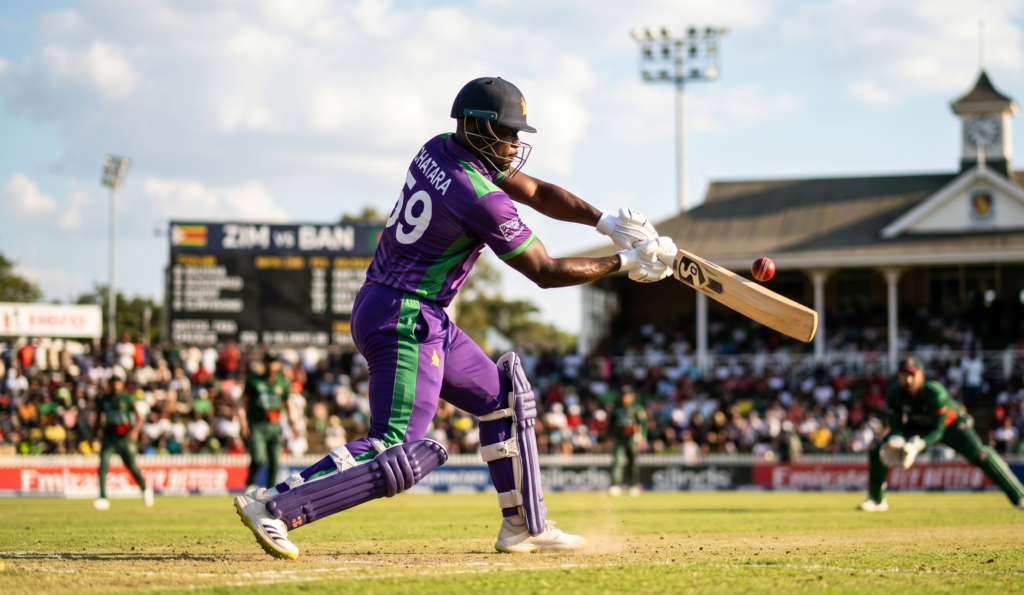
Sports Sponsorships is the strategy that is driving the success of African brands in global markets. African fintech companies, telecoms, betting brands, and consumer businesses are no longer building solely for local audiences. From football club partnerships to athlete endorsements.
According to African Leadership Magazine, African brands are increasingly signing deals with European football clubs, partnering with international athletes, and striving for greater visibility in the UK, EU, US, and Southeast Asia, as sports sponsorship continues to drive their global expansion.
This guide explains how sports sponsorship for African brands works , what it costs, what returns to expect, and where most brands go wrong before they even get started.
What Is Sports Sponsorship?
Sports sponsorship for African brands is a strategy where companies partner with teams, athletes, or events to gain visibility, enter new markets, and drive customer acquisition. The core formats are:
- Team Sponsorship – Kit branding, stadium assets, social media placement, and matchday exposure
- Event Sponsorship – Association with tournaments such as the FIFA World Cup, the Olympics, or regional African competitions
- Athlete Endorsement – Personal partnerships with individual athletes competing on the world stage
- League Partnerships – Long-term agreements with governing bodies or competitions
When done correctly, sports sponsorship delivers audience scale, market credibility, and commercial growth that would otherwise take years to build organically.
Why African Brands Are Prioritising Sports Sponsorship in 2026 ?
Sports sponsorship is becoming a key global expansion strategy for African brands.
1. Audience Scale That Advertising Cannot Duplicate
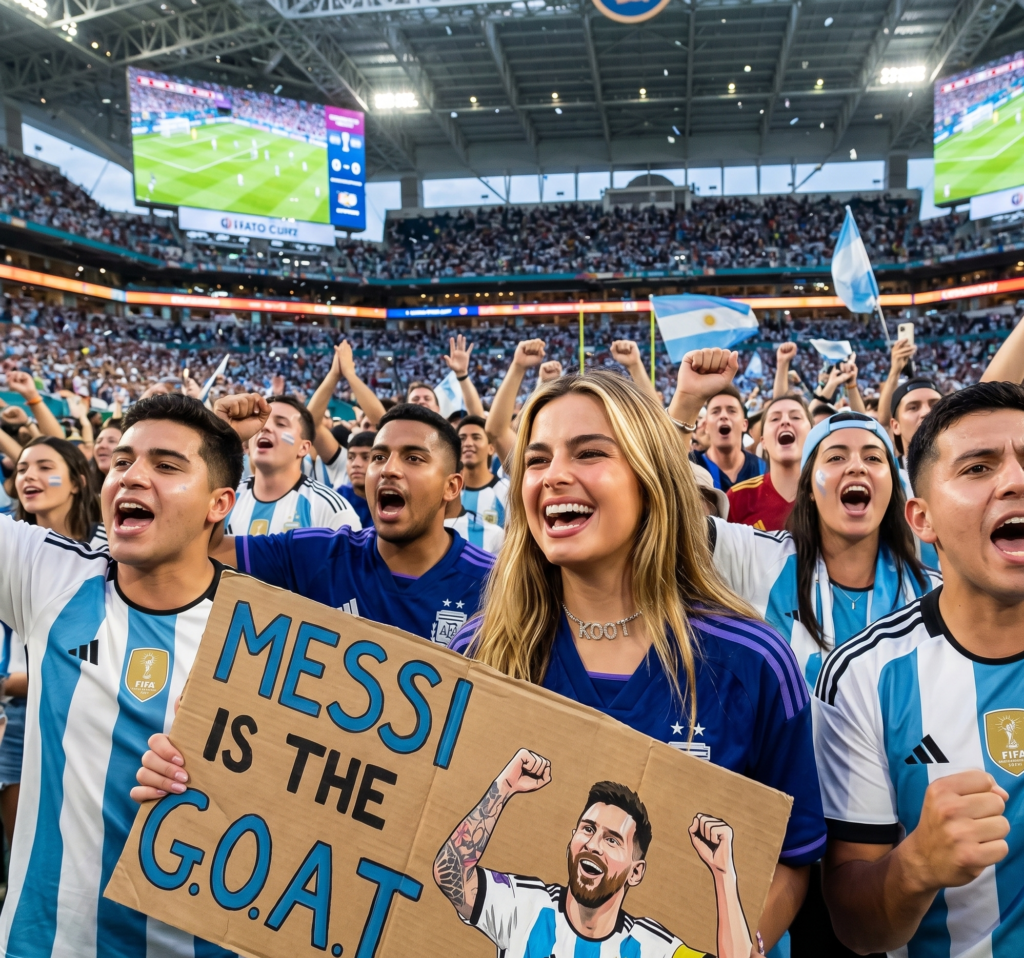
According to SportsPro,Sports marketing for African brands have the opportunity in top-tier football leagues to attract billions of cumulative viewers each season. These are not passive audiences but a factor affecting your global expansion strategy. Sports fans are emotionally engaged, loyal, and receptive to brands that correspond with their clubs and athletes.
2. Faster Market Entry
For an African brand entering a new market, that emotional connection is priceless. Breaking into markets like the UK or Germany through conventional advertising is slow and expensive. A well-placed sports sponsorship may considerably compress that timeline. When your brand appears alongside a globally recognised football club, you inherit a degree of trust that would otherwise take years to build from scratch.
3. Commercial Credibility in Western Markets
For African brands, the challenge in competitive Western markets is often perception rather than product quality. A sponsorship with a heritage-rich European club sends a clear signal to investors, partners, and consumers: this brand operates at a global standard. That credibility has direct commercial value.
4. African Growth Sectors Are Ready for Global Sports Sponsorships
According to a report by BCG, Africa’s fintech sector is experiencing rapid growth, with revenues expected to increase thirteenfold by 2030, especially in digital payments. As a result, African brands are becoming strong competitors to multinational corporations in fintech, consumer payments, and telecoms. Sports sponsorship offers a unique marketing opportunity for these rising African brands to appear alongside, and sometimes stand out among, established global players.
5. Digital Amplification at Scale
The physical logo on a jersey is only the starting point. The real commercial value lives in the digital layer:
- Geo-targeted social campaigns tied to matchday moments
- Athlete-led content that builds authentic brand affinity
- Co-branded content that converts fans into customers
- Performance marketing funnels that turn sponsorship visibility into trackable leads
Ready to explore sponsorship opportunities for your brand and find out which sports properties fit your target markets and growth stage?
Contact us today for a tailored consultation and take the first step toward making your brand global.
Best Sports Sponsorship Opportunities for African Brands in 2026 ?
Football: The Primary Entry Point
Football generates the largest share of global sponsorship revenue, according to Sportcal. Its span across Europe, Africa, and Asia is unmatched. For African brands expanding into the UK or EU, a European football club partnership provides immediate broadcast exposure, digital reach across multiple continents, and association with some of the world’s most recognisable institutions.
Cricket: Strategic Access to India, the UK, and ANZ
Cricket is underutilised by African brands but highly valuable. Audiences in India, the United Kingdom, Australia, and New Zealand are deeply engaged, and competition for sponsorship inventory in cricket is lower than in football, frequently resulting in better value for money. According to an ICC media release, the International Cricket Council has established a global partnership with Marriott Bonvoy to improve the experience for fans traveling internationally to attend events, providing them with access to premium accommodation at cricket matches. These are powerful emotional hooks that translate well in digital campaigns.
Basketball: Youth Audiences in the US and Africa
Basketball is the fastest-growing influence channel for younger groups in the United States and urban Africa. For brands targeting the 18 to 34 age group, basketball athlete and league partnerships offer strong digital engagement at a relatively accessible cost.
How Sports Sponsorship Works: A Step-by-Step Process
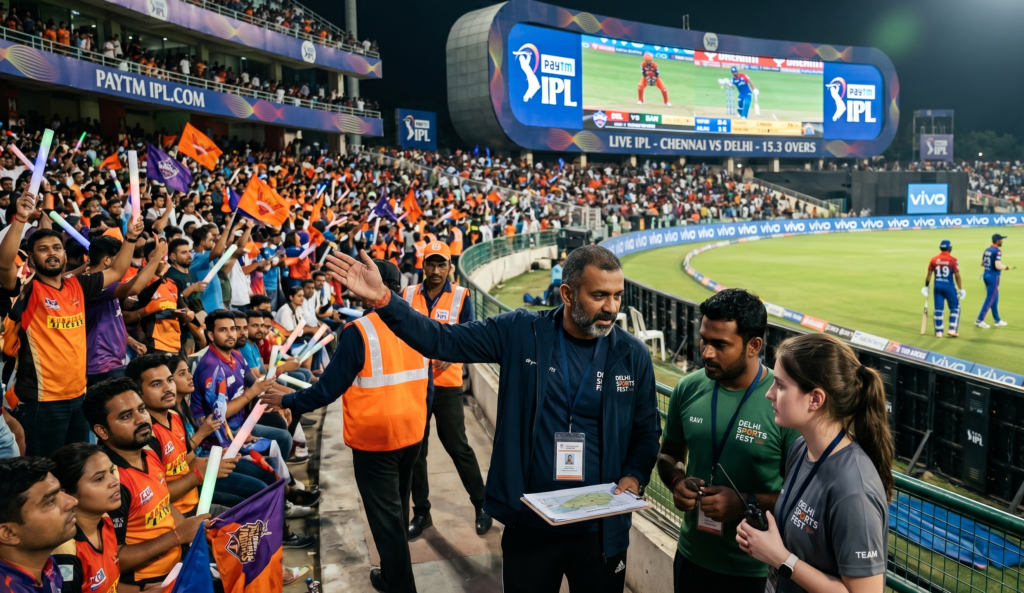
Step 1: Determine Clear Business Objectives
Sponsorship without defined objectives is a budget leak. Before approaching any property, you need to establish what commercial outcome you are buying.
Common goals include:
- Building brand awareness in a specific geography (UK, EU, US, SG).
- Generating high-intent leads through digital activation.
- Acquiring new customers in a target demographic.
- Increasing investor and partner confidence.
- Repositioning or relaunching a brand.
Every subsequent decision, including which sport, which club, which rights package, must flow from this objective.
Step 2: Select the Right Sport and Property
Audience alignment is everything. The right sport for your brand depends on where your customers are, the age group you are targeting, and your budget.
A mid-tier European football club may deliver better ROI for an African fintech brand than a headline-event sponsorship, which depends on the quality of the activation.
Step 3: Evaluate the Property Rigorously
Not all Sports sponsorship assets are equal. A deal is only valuable if its audience profile, geographic reach, and digital rights package match your commercial objectives. That’s where most brands overpay or buy the wrong asset entirely.
To mitigate risks and avoid common pitfalls, conduct thorough due diligence on every potential property and partner. This includes validating audience demographics, requesting performance data, and, when possible, seeking independent third-party audits. Engaging local legal or commercial counsel to review agreement terms can help you spot hidden obligations or restrictions. Taking these steps ensures you invest in assets that genuinely align with your objectives and reduce exposure to costly missteps.
Step 4: Negotiate a Rights Package That Works for You
Most brands leave significant value on the table during negotiation. The rights package determines what you can actually do with the sponsorship. Major Essential components to secure sports partnerships include:
- Branding and intellectual property rights across physical and digital channels.
- Content creation and amplification rights across your own platforms.
- Hospitality access for client and investor relationship building.
- Category exclusivity prevents competitors from appearing alongside your brand.
Step 5: Build an Activation Strategy Before You Sign
Activation is where the sponsorship generates real commercial return. A logo placement without a supporting activation strategy produces minimal results.
Effective activation includes:
- Integrated social media campaigns tied to live sporting moments.
- Athlete partnerships that humanise your brand for new audiences.
- Performance marketing funnels with trackable conversion points.
- Content assets that provide genuine value to fans.
Step 6: Measure Outcomes Against Business Objectives
Metrics that matter include search volume growth in target regions, website traffic from sponsored properties, lead volume and cost per acquisition, and customer lifetime value among fans acquired through the sponsorship. According to a study by Naraine, Bakhsh, and Wanless, sponsoring professional sports teams by integrating brands into their social media posts can influence digital engagement, as evidenced by fan interactions with team content on platforms like Instagram. (Sports Sponsorship Market Report 2026, n.d.) Setting this timeline helps ensure internal stakeholders set realistic expectations and can plan commercial strategies around when results are likely to materialise.
Not sure where to start?
Sportsbridge Asia has helped African brands secure partnerships across European football, cricket, and athletics, and has provided a clear picture of what is available within their budgets.
Cost of Sports Sponsorship for African Brands in 2026
The cost of sports sponsorship for African brands varies based on:
| Sponsorship Type | Typical Cost Range |
|---|---|
| Local African League | $50,000 to $500,000 |
| Mid-Tier European Football Club | $500,000 to $5 million |
| Top-Tier European Football Club | $5 million to $50 million+ |
| Athlete Endorsement | $50,000 to $2 million |
| Global Events (FIFA, Olympics) | $10 million+ |
According to SportBusiness Sponsorship, premium assets are increasing in price due to growing global competition. African brands that move now will find better inventory and pricing than those who wait.
Factors that affect cost:
- League popularity and global broadcast reach
- Club or athlete performance and profile
- Geographic exclusivity
- Digital content rights included
- Duration of the agreement
ROI of Sports Sponsorship for African Brands ?
ROI in sports sponsorship is not measured exclusively by logo impressions. The brands that extract genuine value from sponsorship measure outcomes versus the original business objective.
Realistic Metrics to Track
- Brand authority growth – Search volume increases in the target region
- Digital traffic can be measured by tracking fan-driven website visits and monitoring conversion rates following partnership announcements.
- Lead generation volume refers to the amount of user data collected through geo-targeted campaigns and digital activations.
- Market penetration speed is determined by how much faster the brand gains traction in a new territory than through organic growth.
- Customer acquisition cost is evaluated by identifying reductions in the cost per acquired customer when using sponsorship-linked customer funnels.
A Practical Example: African Fintech in the Premier League
An African fintech company secures a sleeve sponsorship with a Premier League club. The surface-level benefit is broadcast visibility across 90 territories. The deeper commercial benefit looks like this:
- A London-based investor sees the brand alongside a globally recognised crest, and the credibility question is answered without a conversation.
- Geo-targeted digital campaigns offer exclusive financial products to club fans, helping the brand go from an unknown entity to a relevant partner.
- Performance marketing funnels tied to the sponsorship produce traceable sign-ups, with visible cost-per-acquisition figures and measurable lifetime value data.
This is the model that works. Passive branding without digital activation produces far weaker returns.
When Is the Right Time for an African Brand to Enter Sports Sponsorship?
Sponsorship works best when there is a clear commercial trigger behind the investment.
Strong indicators that the time is right:
- You are expanding into the UK, EU, US, or Southeast Asia.
- You are approaching a fundraising round or seeking investor visibility.
- You are launching a new product to an international audience.
- You are competing directly against global brands in your category.
- You are repositioning or rebranding at a significant scale.
If none of these conditions apply, it may be too early. Sponsorship is a growth accelerator, not a foundation-building tool.
Is your brand ready for sports sponsorship? Get Answers from a personalized assessment within 48 hours.
Common Mistakes African Brands Make in Sports Sponsorship
Choosing the Wrong Sport or Property
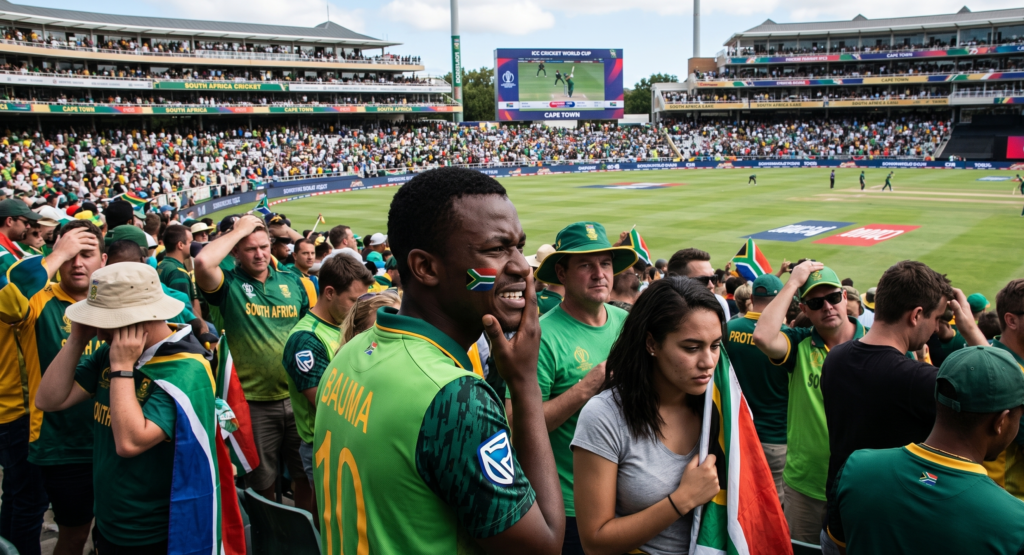
Signing with a property because of its prestige rather than its audience alignment is one of the most common and expensive errors. Your chosen sport must reach your target customer in your target geography.
Overpaying Due to Weak Negotiation
Without specialist negotiation support, brands routinely overpay for limited rights packages. The sticker price is rarely the real price if you know how to negotiate.
Signing Without an Activation Plan
This is the most frequent mistake. A sponsorship deal without a corresponding activation strategy is a sunk cost. The deal must be accompanied by a detailed plan for how visibility converts into commercial outcomes.
For example, when a leading African payments brand partnered with a top-10 English football club, their activation plan went far beyond logo exposure. They launched a co-branded digital wallet for fans, ran matchday social media contests that captured qualified leads, and collaborated with club players to deliver exclusive behind-the-scenes content. The result was a 27 percent increase in UK app downloads within the first five months, with measurable growth in customer acquisitions directly attributed to the sponsorship activities. (Sports Sponsorship Market Forecast, Growth Report 2026 to 2035, n.d.) This case underscores the impact of a well-executed activation plan.
Treating Sponsorship as a Branding Exercise Only
Modern sports sponsorship is a performance marketing channel. It should be measured against sales, market-entry progress, and customer-acquisition metrics, not just brand sentiment surveys.
How to Get Started: Your Options
Option 1: Direct Outreach to Clubs and Properties
Pros: Full control over the process
Cons: Limited access to premium inventory, slow timelines, weaker negotiating position
If your brand is planning to enter the UK, EU, or US markets, choosing the right sponsorship strategy can significantly reduce your customer acquisition cost and accelerate growth
Option 2: Work With a Specialist Sports Sponsorship Agency (Recommended)
A specialist agency provides access to a broader range of properties, negotiation experience to protect your budget, strategic guidance on property selection, and activation planning from the outset. When selecting an agency, prioritise several key criteria to ensure you find the right partner: a proven track record in sports sponsorships, deep market expertise aligned with your industry and target geographies, transparent fee structures and reporting practices, access to premium inventory, and clear communication throughout the process. Assess agencies on their previous client results, relevant experience with brands similar to yours, openness about capabilities and limitations, and their ability to deliver tailored activation strategies. These factors empower executives to make informed decisions and maximise the value of sports sponsorship investments.
According to Sportcal, brands are increasingly using intermediaries to traverse complex global sponsorship ecosystems efficiently.
Option 3: Event Platforms and Marketplaces
Useful for initial research, but typically insufficient for executing a deal with the strategic rigour that a competitive entry into a new market requires.
Why African Brands Work With Sportsbridge Asia
Sportsbridge Asia specialises in connecting African brands with global sports sponsorship opportunities across football, cricket, athletics, and basketball.
What we bring to the table:
- Deep expertise in Africa-to-global market growth through sports
- Established relationships with premium sports properties across Europe and Asia
- A data-based approach to property selection and rights valuation
- Negotiation experience that secures better packages at better prices
- End-to-end activation support that ties sponsorship spend to measurable business outcomes
We do not sell sponsorship. We build commercial strategies that use sponsorship as a growth tool.
Frequently Asked Questions
How do African brands typically enter global sports sponsorships?
Most African brands enter through a specialist sports marketing agency, which provides access to opportunities, negotiation expertise, and planned support. Personal outreach and event platforms can be alternative approaches for African brands seeking sports sponsorships, but according to a report from Sports Business in Africa, the continent’s $12 billion sports market has struggled to attract large global sponsors, leading to slower outcomes and less favourable deal terms for African companies.
Costs range from $50,000 for a local African league partnership to $50 million and above for sponsorships of premier European football clubs. Athlete endorsements typically fall between $50,000 and $2 million annually.
Is football sponsorship worth the investment for African companies?
For brands targeting the UK or EU market, yes. Football offers unmatched broadcast reach, strong digital infrastructure, and instant market credibility. The value depends heavily on the quality of the activation and the rights negotiated.
Can smaller African brands afford sports sponsorships?
Yes. Athlete endorsements and partnerships with mid-tier football clubs or regional leagues offer accessible entry points at budgets from $50,000 upwards. These can be highly effective for brands in earlier growth stages.
How is ROI measured in sports sponsorship?
According to a report from Demilade Oladapo, effective measurement for African brands pursuing international sports sponsorship includes tracking brand search volume growth in key regions, monitoring website traffic and conversion rates from campaigns linked to sponsorships, assessing the volume of lead generation, analyzing the cost per acquisition, and evaluating customer lifetime value among audiences gained through these brand partnerships.
Football remains the strongest vehicle for market entry in the UK and the EU. Cricket offers strong value for brands targeting India, the UK, and Australia. Athletics is effective for narrative-led campaigns, and basketball is increasingly valuable for youth audiences in the US and urban Africa.
Take the Next Step
African brands that move strategically in 2026 will secure better sponsorship assets at better prices than those who wait. The global demand for premium sports properties is increasing, and so are the costs.
Sportsbridge Asia works with African brands at the growth stage and beyond, helping them identify the right properties, negotiate strong rights packages, and activate sponsorships to deliver measurable commercial outcomes.
Get a tailored sports sponsorship strategy for your brand in 48 hours or See if your brand is ready for global sponsorship (free 5-question assessment).
Sportsbridge Asia helps ambitious African brands enter global markets through strategic sports sponsorship. We’ve helped African brands secure partnerships across football, cricket, and athletics. Our clients include fintech companies, telecoms brands, consumer businesses, across Asia and Africa partnered with sports entities across the Globe.